
Before Barbie: Local museum showcases the world of toys before Mattel-mania
By Anna Hughes
When the Barbie movie came out last year, it took the world by storm.
When the Barbie doll came out, it had the exact same effect. And then some.
Barbie’s release by Mattel in 1959 was revolutionary in the world of toys. Although “fashion dolls” were popularized in the mid-19th century, Barbie took their allure to a whole new level. She was long and lean, beautiful and demure. Her diverse range of outfits and looks skyrocketed her popularity. Now, Mattel calculates that two Barbie dolls are sold every second (Britannica).
But dolls were a staple of society long before the queen bee entered the scene. Historians estimate that the first dolls were developed over 2 million years ago. As technology and cultures developed over time, so did the dolls. They mirror trends, social norms, fashion, and what life was like during any given time period.
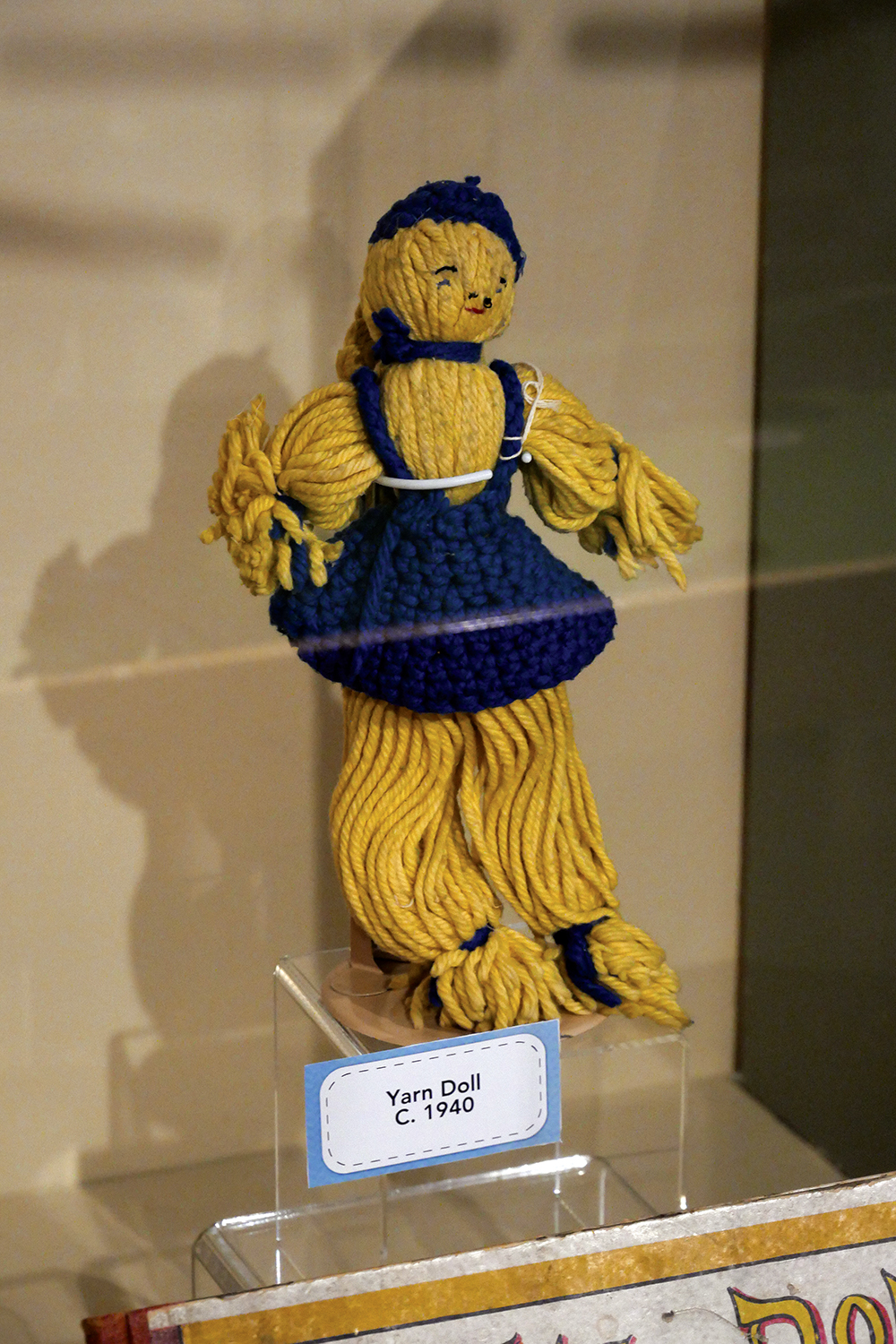
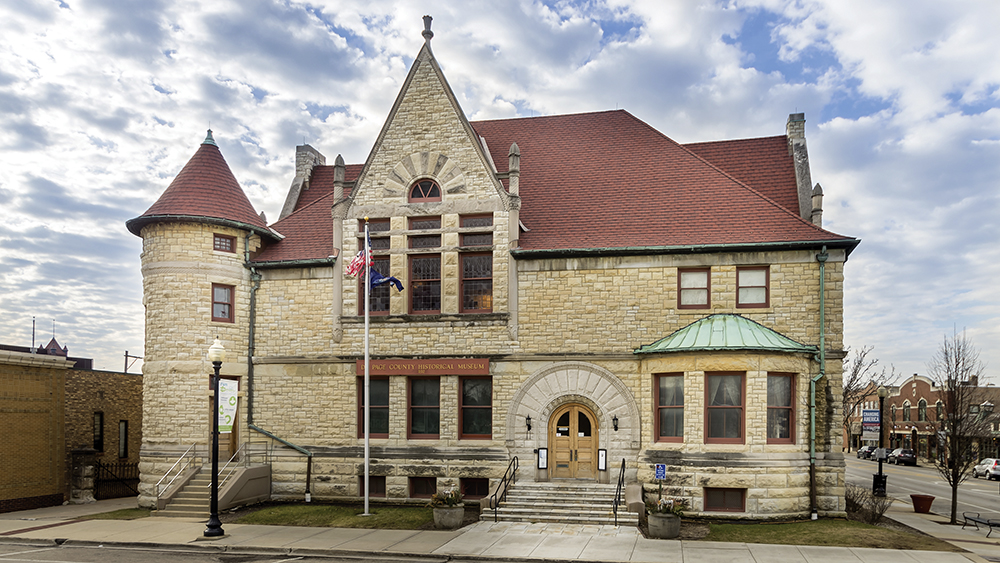
Emily O’Brien, a curator at the DuPage County Historical Museum, spent the last few years developing an exhibit highlighting this exact phenomenon. “Before Barbie” features a variety of dolls spanning over a century, giving visitors a glimpse into life before Mattel-mania. Despite so many differences, O’Brien found that so much has stayed the same.
“I think overall what surprised me the most is how consistent dolls were throughout history. Not necessarily in how they were made or the materials used, but just the concept of the doll,” O’Brien said. “Knowing that it was likely that children played with dolls in ancient civilizations similar to how children play with them today is both fascinating and a little heartwarming and makes the past seem much more relatable.”
Exhibits are planned several years in advance, so the timing of “Before Barbie” with last year’s media roar featuring the beloved heroine in heels was just a coincidence. The exhibit does feature three Barbie dolls, but the majority is focused on – as the name suggests – the time before Barbie.
“Visitors will get to see a variety of dolls and the different materials that were used to create them, along with how they came to be popular,” O’Brien said. “For this exhibit we tried to look more closely at the history of a doll’s role as well as the various types of dolls throughout history. We focus a lot on the materials used and the ways in which dolls were utilized either as a toy or as a more ceremonial object.”
Some of the first dolls were made of wood, which was popular in ancient civilizations and the modern era. Some were made for play, while others were used for religious and/or ritualistic purposes. Over time, wooden dolls were slowly replaced with paper, porcelain, and—of course—plastic. Substance and style often represent the time period in which the toys were created.
“Toys, and dolls specifically, often reflect societal values, views of child-hood, advancements in technology, and current events,” O’Brien said. “Current fashion trends heavily influence the style of dolls and are a good indication of when the doll was produced. Technology has a huge influence on the type of toys being made—as our technology advances, so do our toys and the way they are played with. During the Cold War era, space-themed toys were incredibly popular, and many children owned toys such as the Retro Rocket, astronauts, and others. This was a direct result of the ongoing space race from the 1950s into the 1970s.”
As Barbie paved the way for a new era of dolls such as American Girl, Bratz, and more, most of the toys similar to the ones featured in the exhibit were pushed to the side. Still, their impact and influence remain in every doll on every store shelf, in every toy bin, on every Christmas wish list, and on the silver screen.
“Before Barbie” is open until May 31, 2025. Visit dupagemuseum.org for hours, location, and more information on this and other exhibits.
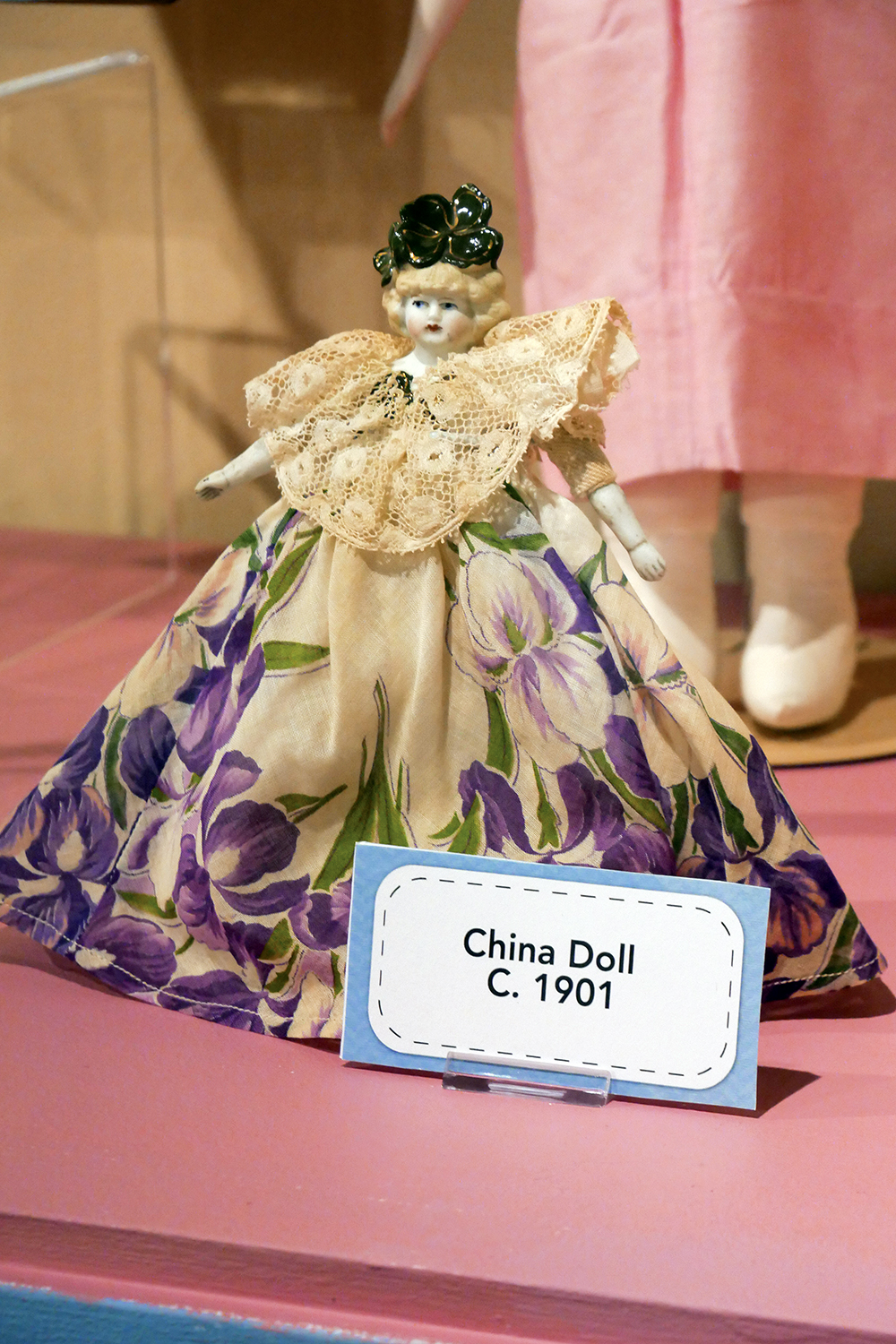
Dolls spanning over a century are displayed at the exhibit.
Photos courtesy of the Wheaton Park District