
Built for the Times
A look at how homes evolve with us
Home styles reflect how people live at different moments in history. From early formal houses to today’s flexible layouts, architecture has changed alongside family life, technology, and cultural priorities. These familiar home types trace the evolution of suburban living.
Colonial & Victorian (1800s–Early 1900s): Tradition and Detail
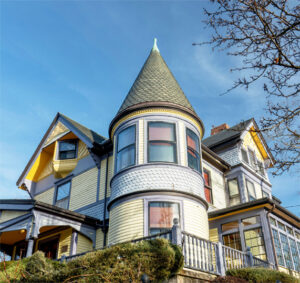 Early American homes favored symmetry and structure. Colonial houses featured central entrances, evenly spaced windows, and steep roofs that suited formal living. As the Victorian era emerged, homes became more expressive and decorative, with ornate trim, bay windows, turrets, and wraparound porches. Rooms were clearly defined and designed for entertaining and social gatherings, emphasizing craftsmanship and status.
Craftsman, Bungalow & American Foursquare (1900s–1930s): Comfort and Practicality
In the early 20th century, design shifted toward simplicity and function. Craftsman homes highlighted natural materials, exposed beams, and built-in cabinetry. Bungalows offered modest footprints and efficient layouts, appealing to young families entering suburban neighborhoods.
During this same period, the American Foursquare became a familiar sight throughout Midwestern communities. Recognized by its boxy shape, broad front porch, and practical four-room layout on each floor, the Foursquare bridged ornate Victorian homes and the simpler styles that followed. These durable houses remain a defining feature of many Chicago-area suburbs.
Cape Cod & Minimal Traditional (1930s–1950s): Affordable and Efficient
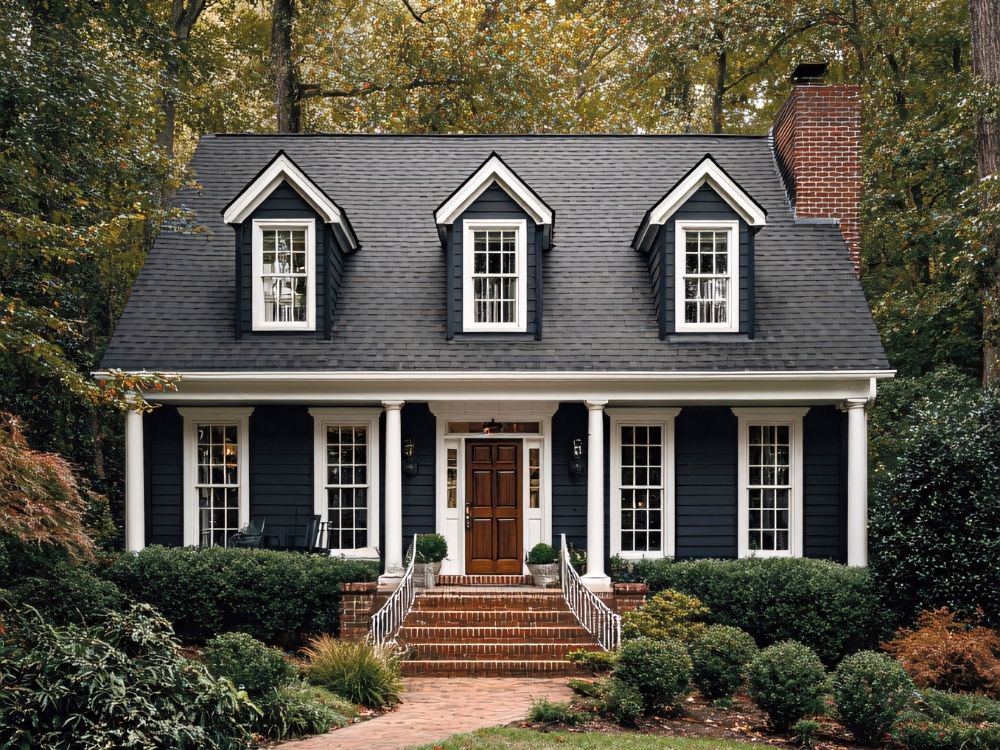
Economic challenges and post-war housing demand shaped the next generation of homes. Cape Cod cottages, with their steep roofs and compact footprints, became popular with returning veterans and young families. Minimal Traditional homes followed a similar philosophy, offering straightforward design with limited ornamentation and strong practicality.
These homes supported the rapid expansion of suburban neighborhoods and remain among the most recognizable styles in the region today.
Ranch & Mid-Century Modern (1950s–1970s): Casual Living
The post-war era introduced a more relaxed approach to home design. Ranch houses spread outward rather than upward, offering single-story living with open floor plans and sliding glass doors that connected indoor and outdoor spaces. Mid-Century Modern homes embraced clean lines, large windows, and a strong relationship with nature. Together, these styles reflected a cultural shift toward informal, family-centered living.
Split-Level & Expanded Suburban Homes (1960s–1980s): Room to Grow
Split-level homes introduced separate but connected living zones, providing privacy while maintaining flow. As families grew, houses became larger and more specialized, with finished basements, family rooms, and attached garages. These designs balanced flexibility with the desire for defined spaces for work, play, and gathering.
Late 1990s–2000s: Size and Statement
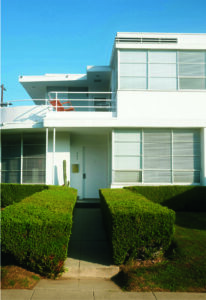 By the end of the 20th century, homes expanded dramatically in scale. Often referred to as “McMansions,” these houses combined multiple architectural influences and emphasized square footage, grand entryways, and expansive primary suites. They reflected a period when homes were designed to make a visual statement as much as serve daily life.
Today: Purposeful and Flexible Design
Modern homes blend historical inspiration with contemporary needs. Open interiors are balanced with defined zones for work, wellness, and family time. Mudrooms, home offices, and multi-generational spaces are now standard features. Sustainability and smart technology guide today’s designs, focusing on efficiency and adaptability rather than ornament alone.