
Inside the New Science of Longevity
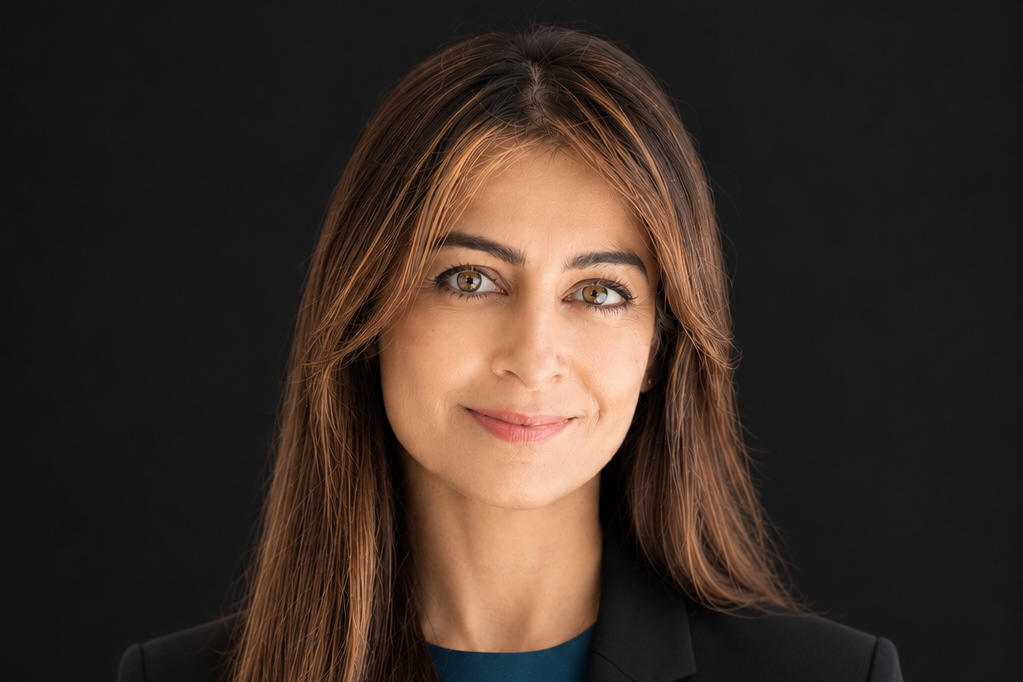
What a Chicago Physician Wants You to Know
Five questions for Dr. Amy Chhadia on advanced, evidence-led longevity care, and how a personalized, data-driven plan can change the trajectory of your health over the next 30 years.
What does longevity and preventive medicine mean in practical terms, and how do they fit into someone’s regular healthcare?
Preventive care focuses on reducing disease risk and detecting problems early. Longevity medicine builds on that foundation to help preserve strength, mental sharpness and independence as you age. Lifespan is how long you live; healthspan is how many years you live well. In practice, we assess your health and risks, then create a personalized plan that complements your primary care and recommended screenings.
For over 20 years, I cared for people in the OR and ICU, often seeing conditions that had developed silently for years. That’s why I moved into longevity medicine: to help people address risks earlier and protect their ability to keep doing the things they love.
If someone feels well and gets an annual physical, what else might be useful to understand about their health?
In the hospital, I heard the same thing from families over and over: “But he was healthy. His labs were normal and they told us his physical was fine.”
A heart attack in someone’s 60s can be the end result of plaque that started building in their 30s.
A standard physical is designed to catch disease that’s already there. I’m looking for the trend before it becomes a diagnosis. So we go deeper into the biomarkers that matter most for longevity – advanced lipid testing like ApoB, inflammation markers, insulin resistance, hormones and body composition – to get a clear picture of your cardiometabolic risk.
For people in their 40s, 50s, 60’s and beyond, which changes or health measures deserve attention, and how do you decide what matters for each person?
Your biological age, how old your body is acting compared to your birthday, can tell us a lot. But I’m less interested in the number itself than in what’s driving it.
Muscle is one I bring up with almost everyone. I call it the organ of longevity. Muscle mass, strength and cardiovascular fitness (VO2 max) are some of the strongest predictors of how well, and how long, you’ll live. They protect your metabolism, your bones and your independence. So we measure them – instead of guessing.
There’s growing interest in advanced testing, supplements, and peptides. How do you help patients separate promising options from hype and understand the evidence and risks?
Before I order a test or recommend a supplement or peptide, I ask four questions: What are we trying to change? What does the evidence show? What are the risks? And will the result actually change your trajectory? That’s what evidence-based longevity medicine should look like. If it won’t change your plan, you probably don’t need it.
What does a thoughtful first step look like for someone who wants a personal plan for their long-term health?
Start with a baseline. Most people I meet have never had a full picture of their health, just pieces of it from different doctors over the years.
Your first visit with us is about putting those pieces together: your history, comprehensive biomarker testing, body composition, and an honest conversation about what you want the next 30 years to look like.
The best time to start is when you feel good. That’s when you have the most to protect, and the most room to change things, including your biological age.
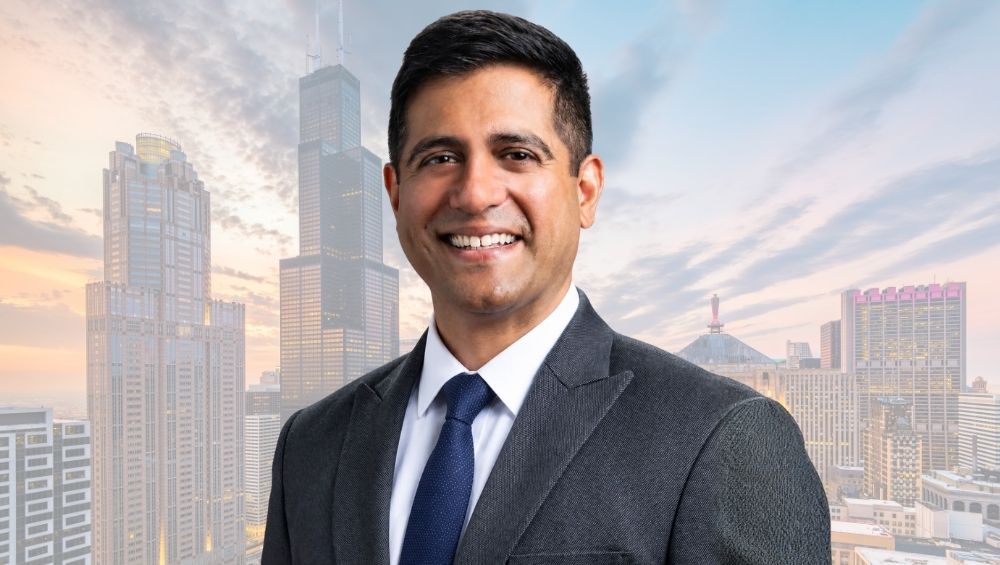
Dr. Amy Chhadia, MD, DABOM, is Chief Medical Officer of Next Health Chicago, with locations in Lincoln Park and Oak Brook, IL. She is double board-certified in anesthesiology and obesity medicine.