

State park and trail commemorate the 16th President of the United States
By Anna Hughes | Photos Illinois Department of Natural Resources
Illinois wasn’t always the Land of Lincoln.
Abraham Lincoln didn’t even move to the state until he was 21. He and his family traveled from Kentucky through Indiana and into southern Illinois, where he eventually settled. Illinois, however, had only been a state for 12 years at this point. It was still a “frontier wilderness” (Illinois Secretary of State archives).
As the state developed, so did the young boy, who eventually became the leader to unite the nation and free the enslaved people. In addition to the documentation of his legal and political careers, as well as the maintenance of his home in Springfield, the state decided to ensure that his (literal) journey to success was preserved too. They call it the Lincoln Trail. On the heels of Presidents Day in February, learn more about the historic park that commemorates the 16th President.
The Lincoln Trail spans over 1,000 miles from Kentucky to Illinois. It follows the route that Lincoln and his family took before arriving in present-day Decatur in 1830. The 1,023 acres of the Lincoln Trail State Park, located just west of the trail following IL Rt. 1 in Marshall, IL (212 miles south of DuPage County), is operated and maintained by the Illinois Department of Natural Resources; it captures a moment in history that forever changed both Illinois and the country.
“All along these little back routes in downstate Illinois or central Illinois, there’s a route where you’ll see an early like picture of Abraham Lincoln without the beard. They call it the Lincoln Trail. It takes you through some little communities, little towns, little back roads… it’s a neat thing,” said park superintendent Tom Hintz.
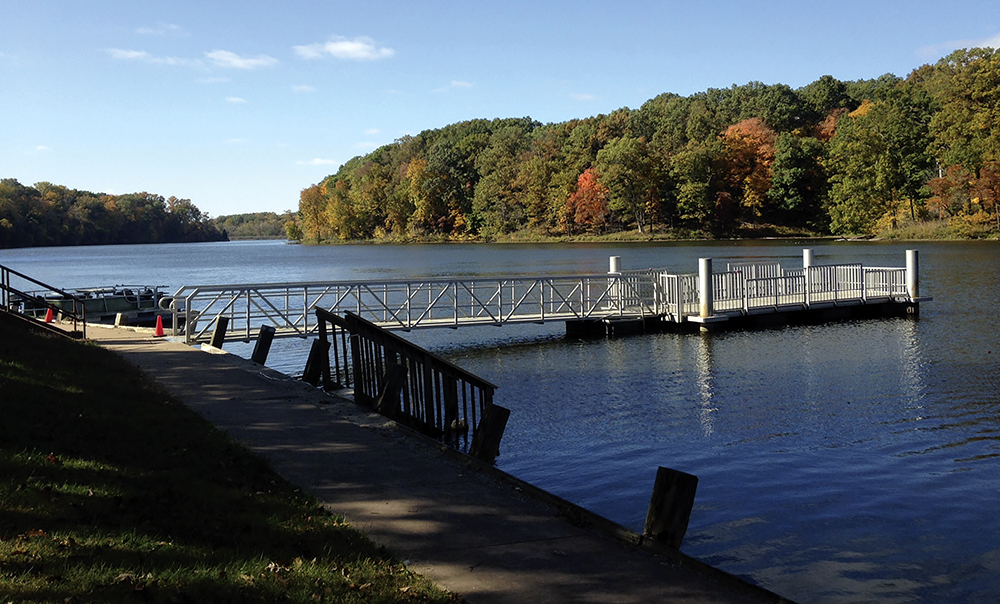
Hintz has been the superintendent at the park for 12 years. He handles the upkeep and maintenance of the site, including all of the activities that take place there: camping, fishing, hiking, boating, and more. Hintz considers his interest in protecting and preserving nature and history to be a personal calling.
“When you don’t preserve places, they disintegrate. If you don’t do proper stewardship on natural areas, you start to lose a lot of the flora and fauna,” Hintz said. “People learn a lot from the history of this state from the history of some of the people like Lincoln. And, you know, hopefully, we learn some good things, and [it] makes all of us a better society.”
Long before this area of land became attributed to Lincoln, it was the home to Native Americans: The Miami, Kickapoo, and Mascouten occupied the site before it was ceded to the United States in the early 19th century (Illinois DNR).
Fifty years after Lincoln’s death, the Illinois General Assembly authorized the Illinois State Historical Library to mark the exact route he traveled; eventually, the state acquired the first 31 acres of the park in 1936. The park was eventually dedicated in 1951 (Illinois DNR).
Since then, Hintz said that four site superintendents have worked to preserve the park in their own ways. Hintz is focused on the ecology of the site.
“We’ve got plants and birds that are here that aren’t found in too many other places. So it’s just kind of a neat thing. Every day you see something different,” he said.
The Illinois DNR points out a few noteworthy features of the land: The preserve has a beech-maple forest that hasn’t changed much from its pioneer days. (Southern Illinois and the eastern border of the state are the only areas where the American beech grows in Illinois.) The park also has squaw-root and beech drops, two unusual wildflowers that lack chlorophyll.
Visitors can see this and much more at one of the many campsites by enjoying a meal at the park’s restaurant or by driving along the trail. It’s a blast from the past preserved for people across the country to enjoy. It’s also a (very tall) hat tip to one of America’s best, who deserves to be honored—both President’s Day and always.
Hinsdale Magazine Group appreciates the Illinois Department of Natural Resources for contributing information to this article.
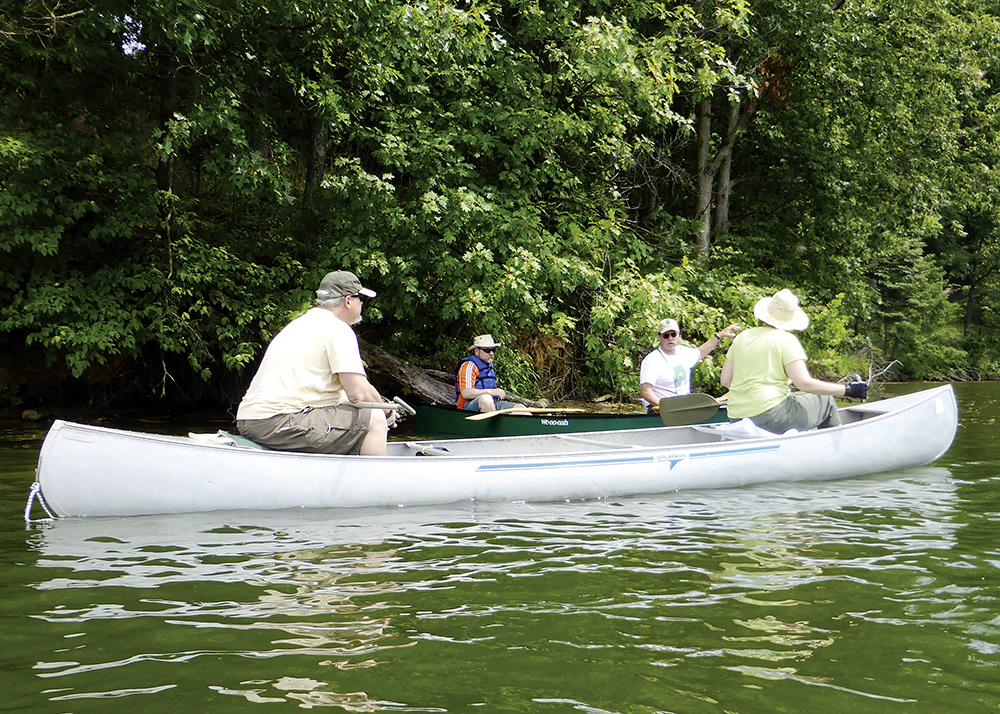
Lincoln Trail State Park offers recreational activities such as boating, camping, fishing, hiking and winter sports.