
The DuPage County Underground Railroad
Local Underground Railroad stations invite visitors to hear freedom seekers’ stories
By Maureen Callahan
From the start of slavery, freedom seekers (formerly known as enslaved people) sought a better situation than the one into which they were born or sold. The 1860s found the nation embroiled in the Great Civil War, with slavery as a major issue of contention between the Union and the Confederacy. Wherever there was slavery, there were efforts to escape.
The Underground Railroad was a movement of resistance to slavery overseen by conductors – people who secretly hid, guided, or transported freedom seekers on their quest for sanctuary. Under the cover of darkness, freedom seekers moved from one station – or hiding place – to the next, literally risking life and limb for the price of asylum. Gauging the length of time available to move was crucial to success. From this area, the eventual destination was usually Canada.
DuPage County was home to many abolitionists who vehemently opposed slavery. Read on to familiarize yourself with a few stations inviting visitors to journey into the past.
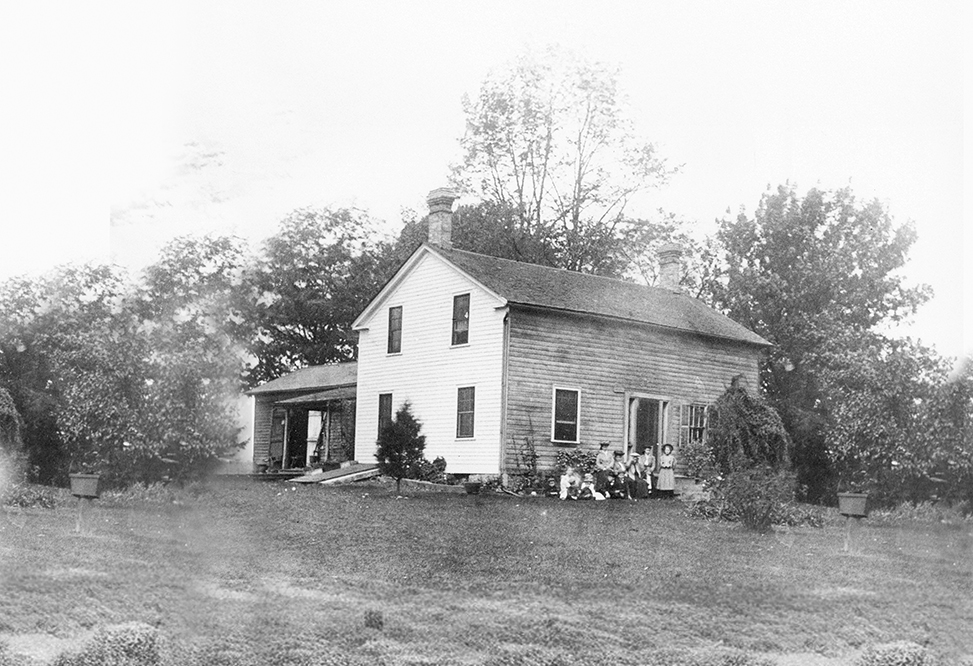
Blodgett House – Downers Grove
This is the home of outspoken abolitionists Israel and Avis Blodgett and among the oldest homes in Downers Grove. This house is respected as a significant station on the Underground Railroad and is now a museum partially dedicated to this moment in history from DuPage County’s standpoint. Renovations to the property substantiated the Blodgett’s assistance to freedom seekers when construction workers found abolitionist newspapers stuffed into the walls. The home is now recognized as part of The Network to Freedom – a National Park Service program that preserves, documents, and promotes the history of the Underground Railroad.
Pierce Downer Home – Downers Grove
Downers Grove founders Pierce and Lucy Ann Downer kindly opened their home to runaway enslaved people at what became a station on the Underground Railroad. Freedom seekers were transported by wagon at night, hidden under animal hides. They entered through the cellar door on the home’s south side, where they ate and slept during daylight hours. The rough-cut stone steps leading to the cellar entrance are the exact ones traversed by freedom seekers.
Graue Mill – Hinsdale
This mill was run by German immigrant abolitionist and Underground Railroad conductor Frederick Graue. Graue hid freedom seekers in the cellar of the 170-year-old flour-producing mill on their flight to Canada. A busy inn located nearby was rumored to be a part of the movement through a tunnel that allegedly connected the two properties. Now a museum, visitors are welcome to visit and see an interactive exhibit that documents this station’s history.
Blanchard Hall – Wheaton
This picturesque and architecturally significant building is found on the campus of Wheaton College – an abolitionist community from its founding in 1860. Blanchard Hall is named for the first and second presidents of the college, Jonathan, and his son, Charles Blanchard. The building was a stop on the Underground Railroad, where fugitive freedom seekers were harbored on their way north to Canada. This stop had a reputation for being particularly safe, and it is further rumored that freedom seekers felt perfectly at ease here, even when no attempt was made to conceal their presence. The lobby of this building exhibits African American history, particularly accounts of freedom seekers.
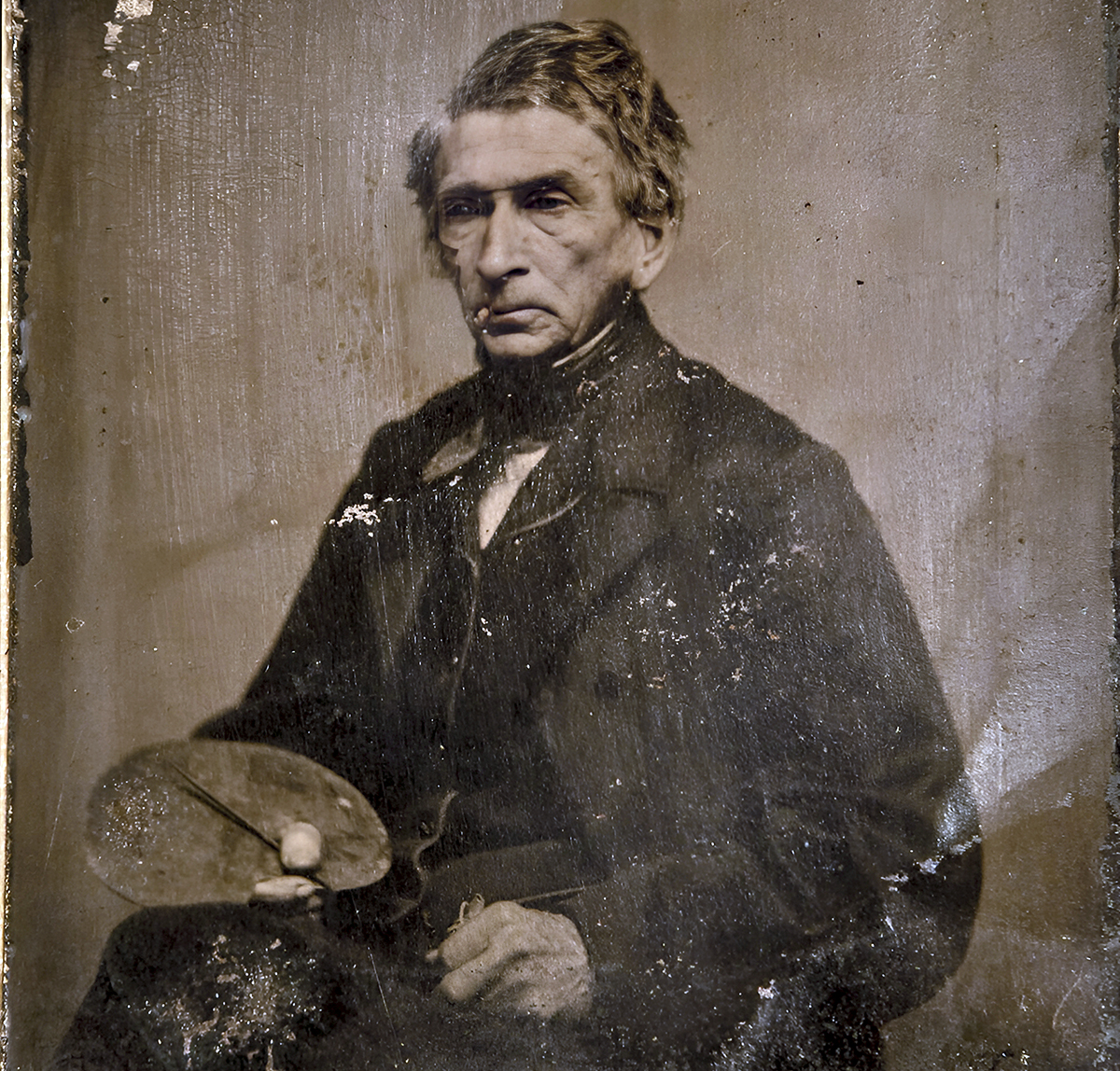
Sheldon Peck (c. 1850-1860)
Photo courtesy of The Peck Family Descendents and Lombard Historical Society
Sheldon Peck Home – Lombard
Noted folk artist Sheldon Peck was a resident of Lombard who became known for the portraits he painted of neighbors, particularly for the character and personality he brought out in subjects. A staunch abolitionist, Peck’s Lombard home served as a safe house for freedom seekers. The claims are substantiated by the artist’s son, Frank, who kept a diary in which he accounted for seven freedom seekers who lived with his family. The portraits he painted solidify his family’s involvement in the Underground Railroad and contribute to a greater understanding of social justice in 19th-century DuPage County.
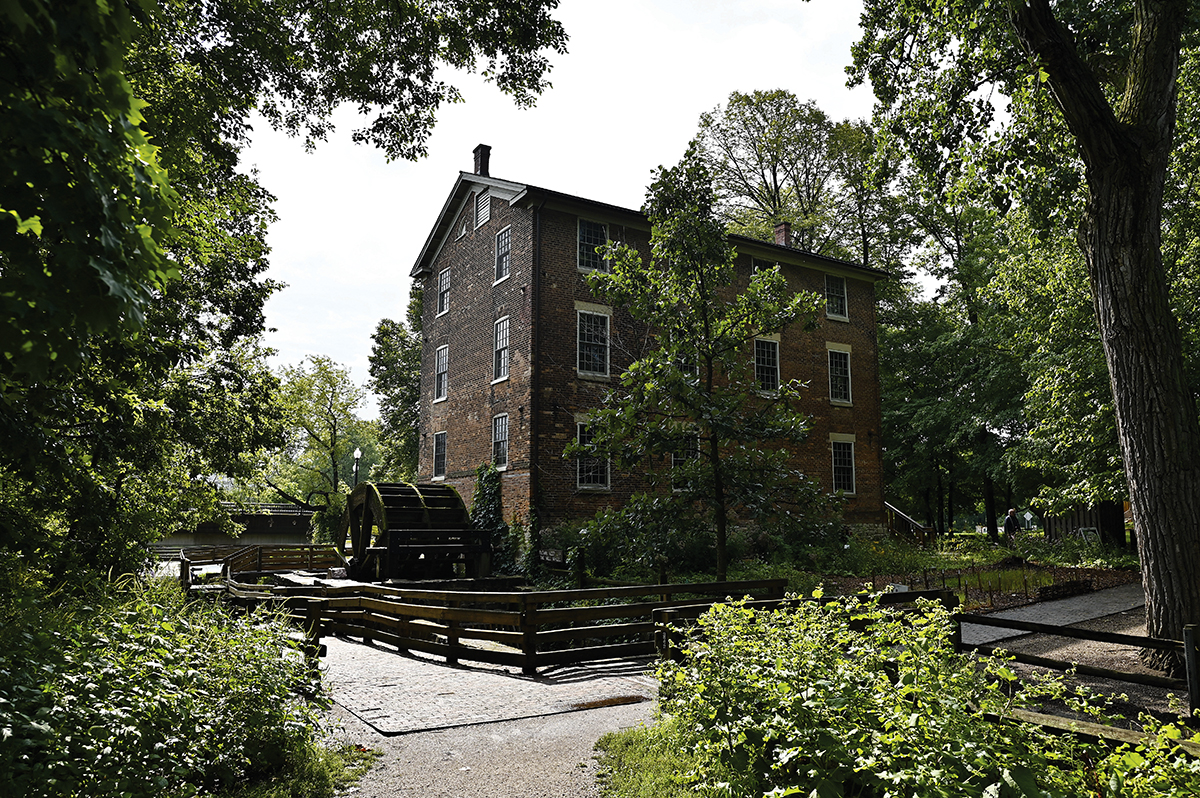
Graue Mill
Photo by Victor Hilitski