

The Future of Preventive Care

With the constant stream of technological advancements and the rapid growth of artificial intelligence (AI), the future of medicine is evolving faster than ever. More and more people are taking a proactive approach towards their health, embracing daily tracking and at-home testing as a part of their routine. For those managing chronic illnesses and other medical diagnoses, this improved technology provides more data than ever before.
Tracking
Daily wellness tracking has
transitioned from a trend to a nonnegotiable for many. From
sleek wristbands to jewelry pieces, many users credit their tracking devices with providing invaluable information about their daily lives and habits. By flagging subtle changes, this data can help prevent last-minute doctor’s visits — or warn it’s time to schedule one.
Apple Watch: When the original Apple Watch was released in April 2015, it shocked the market and became the top-selling smartwatch in history. Apple users could now track their steps, monitor their workouts, reply to messages, and answer calls without ever pulling out their phone. Since its release, there have been numerous different iterations of the Apple Watch, with each new version providing an enhanced user experience.
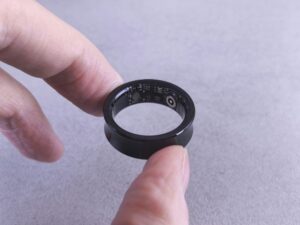 Oura Ring: The Oura ring has found a niche, yet expansive, consumer audience at the intersection of fashion and health and wellness. The sleek design in silver, gold, or rose gold is more than just a piece of bling; it’s a smart ring continually collecting data on 50+ health and wellness metrics that directly impact wellbeing. The Oura ring provides wearers with sleep insights, heart rate monitoring, activity tracking, cycle tracking, and more.
WHOOP: WHOOP’s high-tech, screen-free wristband is a popular choice among athletes and other fitness enthusiasts looking for detailed rest, recovery, and training tracking. Known for comfort and highly personalized data, this fitness wearable gives users a daily recovery score between 0-100% via its companion app, which can help prevent overtraining or physical burnout.
Testing and Detecting
Thanks to a combination of busy lives and booked doctors’ offices, it can be difficult to schedule a time for a simple blood test or routine check-up. It can also be stressful to wait for answers regarding new symptoms. Because of this, many are leaning towards improved at-home testing options for both prevention and management of illnesses or other medical concerns.
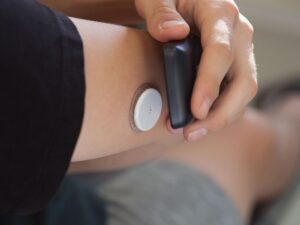
CGM: Continuous glucose monitors (CGMs) signal a shift in diabetes management: they represent a proactive approach to testing by providing a constant stream of data for patients. Because a CGM is a wearable device, one can see in real time if they’re trending high or low and take preventative measures. By having access to more data points, CGM users and their doctors can better manage the disease and prevent potentially dangerous outcomes.
 Blood Testing Kit: – At-home blood tests allow for certain testing to be done in a comfortable, familiar environment. These tests, which usually require a finger prick, can check general health and wellness, cardiovascular health, the immune system, vitamin levels, hormones, and more. Some tests can deliver rapid results, while others are sent via mail back to a lab for more formal testing. Both are a simple way to get answers quickly.
Blood Pressure Monitor: Monitoring blood pressure at home is key for anyone who has been diagnosed with or is at risk for developing high blood pressure. Sometimes, doctor’s visits and related nervousness can cause a higher blood pressure reading, so testing at home is a great way to track data in a relaxed state. At-home data is also essential for anyone starting or changing blood pressure medication, so they can accurately report back to their doctors whether or not it’s working.
Portable ECG: A traditional electrocardiogram (ECG) is a quick test that allows doctors to check someone’s heartbeat by monitoring the heart’s electrical activity. But small, handheld, single-electrode devices are available on the market, so ECGs can be recorded at home. These mobile ECG devices can detect heart rhythm disorders, especially atrial fibrillation (afib), which causes a rapid, irregular heartbeat. Early detection and/or monitoring known conditions can prevent emergencies and provide peace of mind.





![Aili Flannery’s award-winning sculpture, “Process,” was made of copper, string, copper wire, glass beads, glass, rust-stained fabric, lace, turmeric sun-printed paper, and thread. It represents “the timeline of having depression to the process of healing,” Flannery explained, and the theme is rooted in her own experiences. “‘Start’ shows up again at the end [of the piece], because I was ready to start healing and to continue living.”](https://dupagemagazine.com/wp-content/uploads/2026/06/26-1-DG-Scholastic-Art-Writing-Awards.jpg "26-1 DG Scholastic Art & Writing Awards")